A Food Lover’s Journey Through Jamaican Food Culture
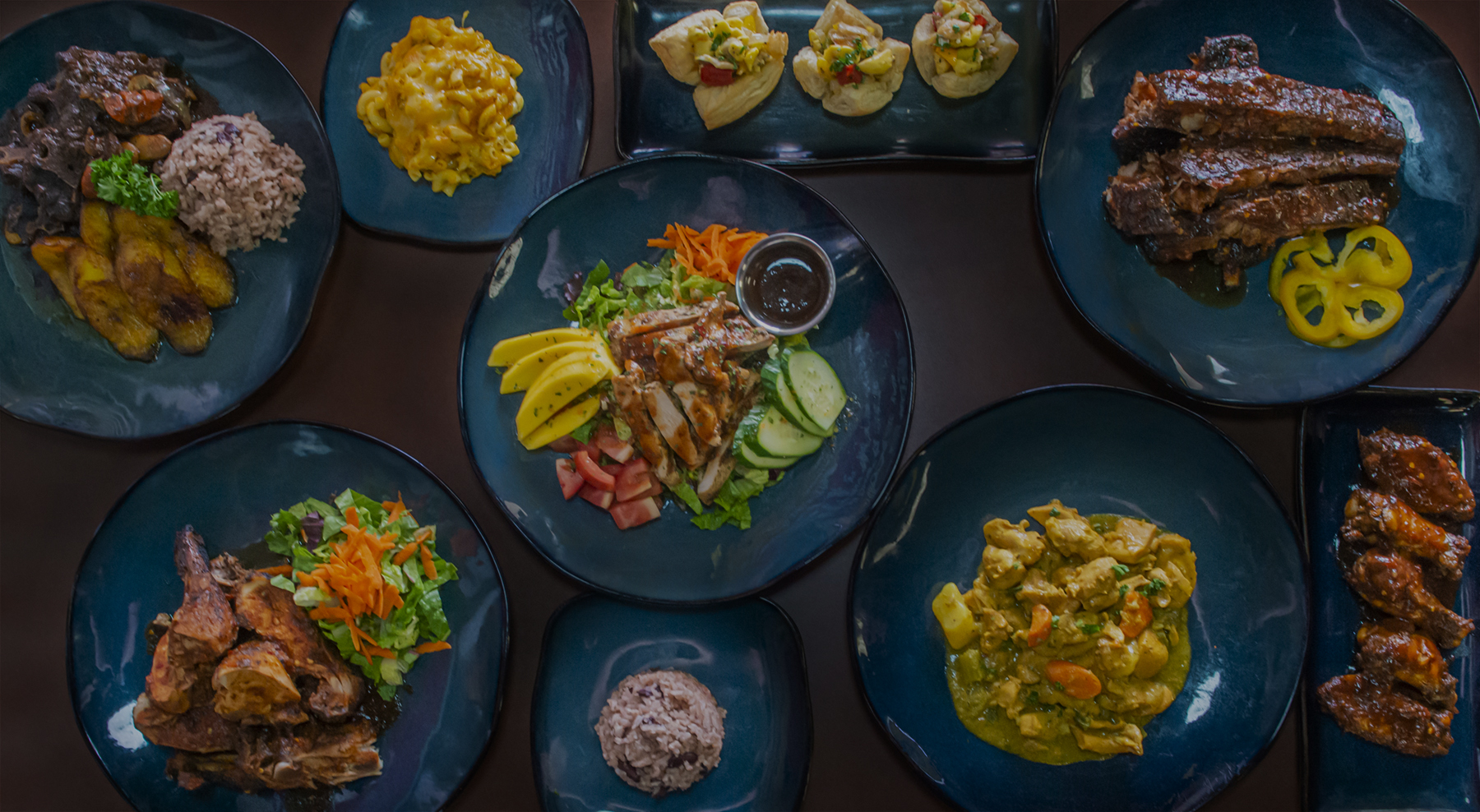
The first thing that strikes most people about Jamaican food is not heat, although that often gets the attention. It is aroma. Walk past a jerk pan on a roadside verge, or step into a family kitchen where curry is taking its time on the stove, and the air tells the story before the plate arrives. Scotch bonnet, scallion, thyme, pimento, ginger, garlic, smoke, allspice, coconut milk, browned sugar, fresh pepper, frying oil, saltfish, ripe plantain, charred chicken skin, bubbling gravy. Jamaican food announces itself with confidence.
That confidence comes from a cuisine that is bigger than its most famous dishes. Too often, outsiders flatten Jamaican food into a short list of export favorites: jerk chicken, patties, rum cake. Those are important, certainly, but they only hint at the depth of the island’s food culture. Jamaican cooking is shaped by Indigenous roots, African technique, British colonial history, Indian and Chinese migration, trade routes, geography, religion, and economics. It is festive and practical at once. It can be fiery, but it can also be mild, restorative, restrained, or sweet. Above all, it is food made with memory.
Where Jamaican flavor really begins
To understand Jamaican food, it helps to start with seasoning rather than dishes. Many cuisines have signature ingredients, but in Jamaica the seasoning base often matters as much as the main protein or starch. A well-seasoned pot is not simply salty or spicy. It is layered. Green seasoning, whether pounded, blended, or finely chopped, usually brings together scallion, thyme, onion, garlic, ginger, hot pepper, and sometimes celery, bell pepper, or fresh herbs depending on the cook. Browning adds color and caramel notes. Pimento, known elsewhere as allspice, gives a warm, rounded depth that many people recognize in jerk without being able to name it.
Scotch bonnet deserves special respect here. It is one of the defining ingredients of the island, yet people misunderstand it constantly. Yes, it is hot. It can be extremely hot. But reducing it to a challenge ingredient misses the point. Scotch bonnet has a fruitiness and perfume that gives Jamaican food part of its identity. In a pot of stew peas or escovitch sauce, it can be left whole to lend flavor without overwhelming the dish. In jerk marinade, it can be blended in for a more direct heat. The judgment lies in knowing when to let it whisper and when to let it lead.
That sort of judgment runs through the cuisine. A good Jamaican cook knows when thyme should stay in whole sprigs and when it should be stripped. They know that coconut milk can round a dish without making it heavy, and that pimento wood smoke is not interchangeable with a generic grill flavor. They understand that a fried dumpling should be substantial but not tough, and that ackee must be handled with care and respect. These are not theatrical details. They are the small decisions that separate food that is merely flavorful from food that feels grounded.
A cuisine built from history, migration, and survival
Jamaican food culture makes the most sense when viewed through the island’s history. The Taino, the Indigenous people of the Caribbean, contributed early techniques and ingredients, including cassava and methods of preserving and cooking over open fire. African influence, brought through the brutality of enslavement, shaped the backbone of the cuisine in profound ways, from seasoning approaches to the transformation of humble ingredients into sustaining meals. British colonial rule left traces in baked goods, puddings, and certain dining habits. Indian indentured laborers contributed curry traditions and spice handling. Chinese Jamaicans influenced the way some households cook and season vegetables, rice dishes, and sauces. The result is not a patchwork in the loose sense. It is a cuisine that fused these histories into something distinct.
That history also explains why so many Jamaican dishes are masters of economy. Some of the island’s most beloved foods come from making limited ingredients work harder. Saltfish, long valued because it could travel and keep well, became central in national cooking. Lower-cost cuts of meat became rich stews after enough time and seasoning. Breadfruit, yam, green banana, cassava, and coco gave structure to meals that needed to fill the stomach as much as please the palate. Even now, many dishes carry that dual purpose: nourishment and pleasure, thrift and abundance sharing the same plate.
You can taste resilience in Jamaican food, but you can also taste celebration. The same culture that knows how to make a deeply satisfying breakfast from callaloo and saltfish also knows how to cook for a crowd with generosity. Food appears at wakes, beach outings, holidays, church gatherings, roadside stops, and Sunday dinners. It is not treated as a decorative afterthought. It is the event, or at least half the reason people came.
The dishes that anchor the table
Ackee and saltfish is the dish most often named as Jamaica’s national meal, and for good reason. At its best, it is subtle and rich without being heavy. Ackee, when properly prepared, has a soft, custard-like texture that people often compare to scrambled egg, though the flavor is more delicate and buttery. Saltfish brings salinity and structure. Tomato, onion, scallion, thyme, black pepper, and sometimes a little bonnet complete the picture. The pleasure of the dish lies in balance. Too much saltfish and it becomes harsh. Too much tomato and it turns wet and sweet. Done well, it is deeply comforting.
Then there is jerk, perhaps the most globally recognized expression of Jamaican food. Real jerk is not a bottled flavor profile. It is a method, a seasoning system, and often a style of cooking over pimento wood. Jerk chicken is common and deservedly loved, but jerk pork remains, for many people, the more complete version. Pork carries smoke and spice beautifully, especially when the fat renders slowly and the edges darken. Traditional jerk has a dry heat and aromatic intensity that differs from the sweeter sauces sold in some export markets. When you eat it from foil at the roadside with festival and maybe a splash of pepper sauce, it makes instant sense why jerk became iconic.
Curried goat holds another place of honor, especially at gatherings. This is a dish that rewards patience. The goat needs time for seasoning to penetrate and connective tissue to soften. A proper curry should be fragrant and rounded, not dusty or one-note. Jamaican curry powder differs from some South Asian blends, often leaning warmer and less sharp, with turmeric giving its color and fenugreek used more lightly if at all. Potato sometimes joins the pot, absorbing flavor and thickening the sauce. On a festive plate beside rice and peas, curried goat often disappears first.
Oxtail, once a cut associated with thrift, has become a luxury in many places because of demand. In Jamaica and across the diaspora, it remains beloved for good reason. Braised until tender, often with butter beans, it yields a glossy, rich gravy that begs for rice. Good oxtail should not be greasy or aggressively sweet. It should taste patient.
Escovitch fish brings a different energy to the table. Usually made with fried whole fish topped with a sharp dressing of vinegar, onion, carrot, and pepper, it offers crunch, acid, heat, and freshness against crisp skin and moist flesh. On beach days or around Easter, fish takes center stage in many homes and cookshops, and escovitch makes a persuasive case for the brilliance of contrast.
Breakfast has its own authority
Visitors often focus on lunch and dinner, but Jamaican breakfast deserves its own respect. It is serious food. Not every morning meal is heavy, but many are substantial enough to carry someone through physical work, a long commute, or school. Porridge remains a staple, and it comes in more forms than many people expect: cornmeal, peanut, banana, oats, hominy, plantain. Texture matters. So does spice. A porridge scented with cinnamon, nutmeg, vanilla, and a little condensed milk can feel both restorative and indulgent.
Traditional breakfast plates might include fried dumplings, boiled green bananas, yam, callaloo, saltfish, mackerel rundown, or liver. Rundown, especially with mackerel simmered in seasoned coconut milk until the sauce cooks down, is one of those dishes that reveals Jamaican mastery of depth. It is bold, savory, and unmistakable.
There is also a practical logic to these breakfasts. Ground provisions such as yam and banana are filling, relatively affordable, and deeply rooted in the island’s eating habits. They are not side notes. They are central. In many Jamaican homes, starch is not there to pad out the meal. It belongs.
Street food, cookshops, and the poetry of eating on the move
Some cuisines reveal themselves best in formal dining rooms. Jamaican food often shines brightest on the street, at a market, from a pan under corrugated roofing, or in a cookshop where steam fogs the glass. Street food carries its own standards. Speed matters, but not at the cost of flavor. Price matters. Portion size matters. Texture matters even more, because many favorites rely on contrast.
The patty is the obvious example, and it deserves to be taken seriously. A good Jamaican patty has a flaky, golden crust with enough resilience to hold a juicy filling. Beef is classic, but chicken, vegetable, soy, shrimp, and ackee variations all have their followers. The seasoning should be assertive, not bland, and the filling should be moist without turning the pastry soggy. Eat one by itself and it is satisfying. Slip it into coco bread and it becomes a cultural ritual in miniature.
Festival, with its slightly sweet fried dough, plays beautifully against smoky or spicy meats. Bammy, a cassava flatbread with Taino roots, often accompanies fish and soaks up escovitch dressing or fried snapper juices. Roast corn, bag juice, peanut drops, gizzada, grater cake, and tamarind balls remind you that Jamaican street food is not only about savory heat. There is sweetness everywhere too, often tied to coconut, ginger, spices, and cane.
Cookshops occupy a special place between home kitchen and restaurant. They tend to offer the kind of food people actually eat regularly: brown stew chicken, curry chicken, rice and peas, soup, steamed vegetables, liver, cow foot, red peas soup, mannish water, stew peas. These places are often the best teachers. Watch what locals order, what sells out early, and what appears only on certain days, and you begin to understand the rhythm of daily eating.
Sunday dinner and the shape of togetherness
Ask enough Jamaicans about food memories and Sunday will come up quickly. Sunday dinner is less a single menu than a ritual of care and gathering. In some homes, it means rice and peas, roast or fried chicken, curried goat if the budget allows, a vegetable side, salad, maybe macaroni and cheese in more contemporary settings. In others, soup starts the day and a larger meal follows later. Timing can stretch. Pots simmer. Relatives drop in. Someone tastes the gravy and declares it needs another minute.
What matters is not just the menu but the social architecture around it. Jamaican food culture places enormous value on feeding people properly. Hospitality is rarely abstract. It looks like second helpings, packed leftovers, and careful attention to whether the guest has eaten enough. This instinct exists in many cultures, of course, but in Jamaica it often comes with a distinctive frankness and warmth. No one is embarrassed to urge another spoonful onto your plate if they believe the food deserves better than your restraint.
Holiday food heightens this generosity. Christmas brings sorrel, black cake, fruit cake, ham, and richer preparations. Easter often means bun and cheese, sometimes fish. The seasonality may be subtle compared with colder countries, but the calendar still leaves a strong imprint on what people cook and crave.
The island on the plate: regions, produce, and the pull of the sea
Jamaica is not enormous, but regional experience still matters. Coastal communities naturally have stronger day-to-day relationships with fish and shellfish. Inland and rural areas may lean more heavily on farming traditions and provisions. Markets reflect local abundance. One town’s standout specialty might be another’s occasional treat.
Produce plays a larger role in Jamaican food than casual observers sometimes notice. Callaloo, cho cho, pumpkin, breadfruit, okra, otaheite apple, june plum, mangoes in their many varieties, guinep, naseberry, sweetsop, and coconut all help shape the flavor memory of the island. Mango season, in particular, has a way of taking over conversation. People have loyalties. East Indian, Julie, Bombay, Blackie, Starch, Number Eleven, common mangoes, every variety has its defenders. That devotion says something important. In Jamaica, food culture does not begin and end with cooked dishes. Fresh fruit, often eaten casually and repeatedly, is part of the pleasure of place.
The sea, meanwhile, keeps offering its own vocabulary: snapper, kingfish, parrotfish, conch where available and legal, lobster in season, sprats, mackerel, salt cod imported but fully naturalized into the cuisine. Fish tea, despite the name, is a clear and savory soup, often sharpened with pepper and herbs, restorative after a long day or a rough night. Pepper shrimp, sold in some areas in small bags, can be addictive in the way only spicy, briny snacks can be.
What outsiders often get wrong
One common mistake is assuming all Jamaican food is punishingly spicy. It is not. Many dishes are aromatic rather than incendiary. Pepper can be controlled, added at the table, or infused gently. Another misconception is that Jamaican food is uniformly heavy. Certainly, there are rich meals and fried favorites, but there are also brothy soups, lightly steamed vegetables, roasted fish, fresh fruit, and balanced plates built around provisions rather than excess oil.
Another misunderstanding involves authenticity. People often look for a single fixed version of a dish, as though there were one official recipe. Jamaican food culture does not work that way. Family methods differ. Regional habits differ. Diaspora kitchens adapt to available ingredients. One cook may make stew peas with beef, another with pigtail, another with both. One household’s rice and peas might be richer with coconut milk, another’s lighter and fluffier. Authenticity lives less in rigid replication than in recognizable logic, ingredient understanding, and respect for the dish’s identity.
Then there is the issue of sweetness. Some exported Jamaican-style sauces and seasonings skew sugary because that is what broad markets expect. On the island, the balance is often more restrained. Browning and ketchup may appear in some gravies, but serious cooks know how quickly sweetness can flatten a savory dish. The best Jamaican food usually tastes vivid and direct, not candied.
The diaspora and the evolution of taste
No discussion of Jamaican food is complete without the diaspora. Jamaican communities in the United Kingdom, Canada, the United States, and elsewhere have carried these dishes across oceans and generations. In the process, the cuisine has both preserved itself and changed. Ingredients substitute when necessary. Saltfish quality varies. Certain fish are easier to find than others. Scotch bonnet may be swapped reluctantly for habanero. Pimento wood is not always practical. Yet the core remains surprisingly durable.
Diaspora food also does something powerful for identity. A patty shop in Toronto, a jerk stand in Brooklyn, a bakery in London selling hard dough bread and bun, these places are not just businesses. They are repositories of memory. They keep taste connected to home, even when home is remembered more than lived. They also introduce jamaican food to people with no familial ties to the island, often one plate at a time.
At the same time, the diaspora can blur distinctions for outsiders. Restaurant menus tend to center the hits. Lesser-known dishes, especially those that require more explanation or have narrower margins, may vanish from view. That is why people who want to understand Jamaican food more fully should go beyond the expected trio of jerk, curry goat, and patties. The cuisine opens up when you ask what is on the breakfast menu, what soup is made on Saturdays, what appears at Easter, or what the cook makes for their own family after service ends.
How to eat Jamaican food well, wherever you find it
If you want a real sense of Jamaican food culture, begin with curiosity and patience. Order a famous dish, certainly, but order something less familiar beside it. Notice the starches, the pickles, the sauces, the beverages. Ask whether the pepper is in the pot or served on the side. Try the vegetables. Pay attention to https://maps.app.goo.gl/LnpmYamy5BRY1Cs57 texture, because a great deal of the pleasure lies there: flaky patty pastry, soft ackee, crisp fried fish skin, dense boiled dumpling, silky gravy, chewy cassava, juicy jerk with charred edges.
It also helps to understand that a proper Jamaican meal often depends on combination. Rice and peas is not just rice. It brings coconut, thyme, scallion, and the subtle savor of the pot to the rest of the plate. Festival is not just fried dough. It moderates spice and adds sweetness. Pickled vegetables with escovitch are not garnish. They are structural. This cuisine excels at built relationships between elements.
The best approach, in my experience, is to eat widely and compare. Try jerk from a roadside pan and from a polished restaurant. Eat patty from a bakery and from a supermarket and learn the difference. Have oxtail where the gravy is dark and clingy, then somewhere else where the beans are more prominent. Taste sorrel made by two different households at Christmas and notice how one leans heavily on ginger while another prefers clove. Those are the details that turn admiration into understanding.
Jamaican food rewards anyone willing to look past caricature. It is bold without losing nuance, rooted without becoming static, generous without apology. It carries the marks of history and the pleasure of invention. For a food lover, that is the best kind of journey, one where every plate offers both flavor and meaning, and where the deeper you go, the more alive the cuisine becomes.
Reggae Pot Jamaican Grill
7562 S University Blvd C, Centennial, CO 80122
(303) 997-5623
FAQ About jamaican food
What is the best Jamaican food to try in Centennial?
The best choice depends on your preferences. Reggae Pot Jamaican Grill offers jerk chicken, curry goat, oxtail, and escovitch snapper, along with sides such as rice and peas and fried plantains. Ask the restaurant about current availability and spice levels before ordering.
Is Jamaican food very spicy in Centennial?
Heat varies by dish and preparation. Jerk dishes can be hot, while some stews and sides are milder. Tell the restaurant your preferred heat level and ask which options suit you.
What is typically on a Jamaican menu?
Common choices include jerk chicken, curries, oxtail, fish, patties, rice and peas, and plantains. Reggae Pot also lists ackee and saltfish and vegetable dishes. Menus and availability can change, so confirm your choices when ordering.